Burger King Leaves Hanoi. Shake Shack Is Walking In.
Burger King closed all its stores in central Hanoi, leaving just four in Ho Chi Minh City plus one at Noi Bai Airport. Shake Shack is about to walk in. McDonald's took a decade to open 39 stores. The challenges burger brands face in Vietnam go well beyond price.
[Burger King Leaves Hanoi. Shake Shack Is Walking In.]
On April 8, 2026, Burger King closed its last three stores in Hanoi and pulled out of the city entirely.
The chain's only store in Kien Giang province had closed earlier, leaving Burger King with just four outlets in Ho Chi Minh City. When Burger King entered Vietnam in 2012, it committed USD 40 million and aimed to open 60 locations within five years. It peaked at around 16. Now there are four.
At the same time, another American burger brand is heading in the opposite direction.
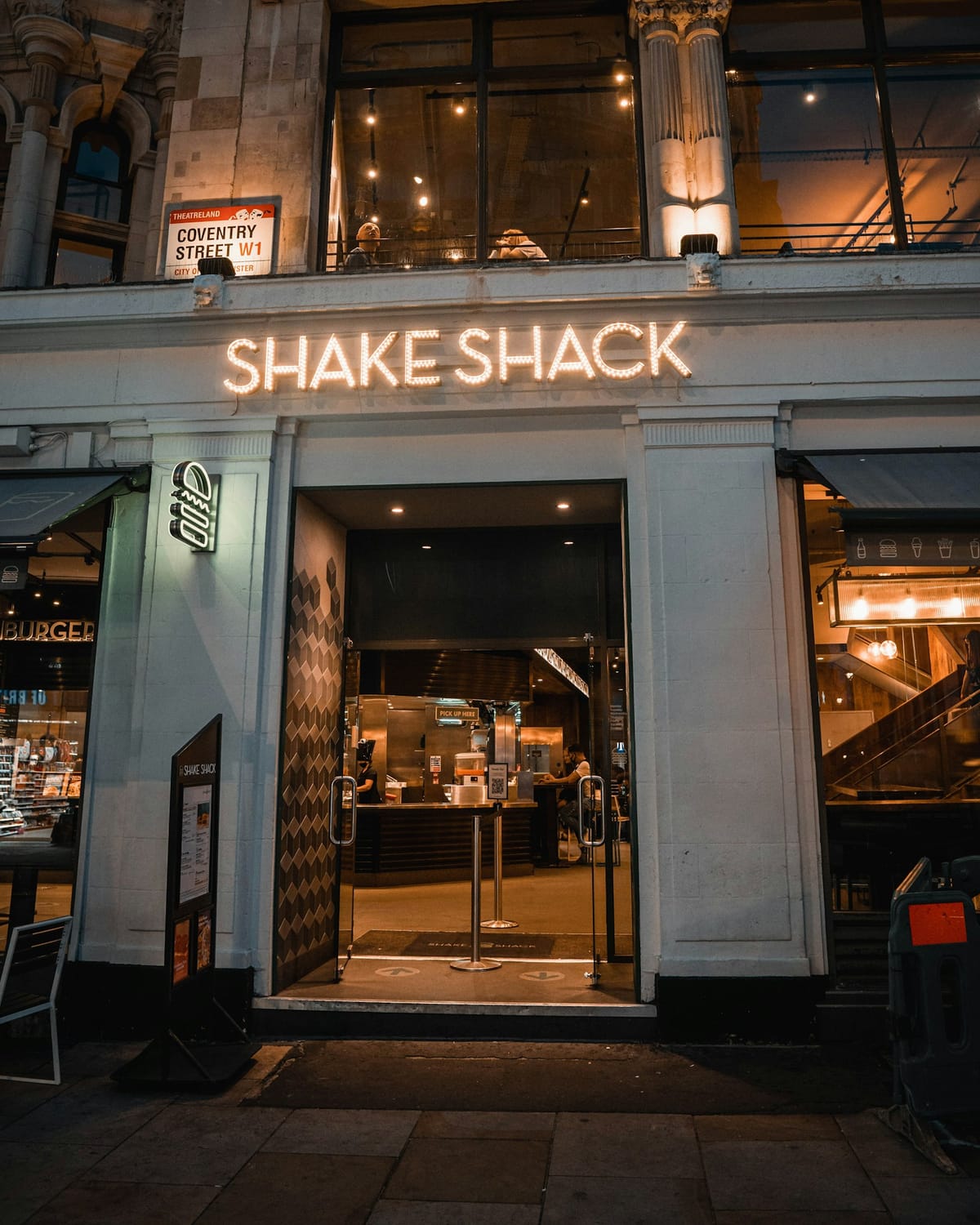
Shake Shack completed its franchise registration in Vietnam in June 2025 and formally announced plans in August to open 15 stores by 2035, with its first location set for 2026.
One burger chain retreating. Another arriving. Same product, very different bets.
▍ What Burger Brands Run Into in Vietnam
Burger King isn't the only one that struggled.
McDonald's entered Vietnam in 2014 targeting 100 stores within a decade. Ten years later, it has 39 — less than a third of its goal and its smallest market in Asia.
Both brands fell far short of their own expectations, and the reasons stack up.
Timing was one. KFC arrived in 1994, Jollibee in 1996, Lotteria in 1998. By the time Burger King and McDonald's showed up, the best locations were mostly taken.
Price and speed don't help either. A McDonald's burger costs two to three times as much as a street bánh mì, and a bowl of pho or a bánh mì from a street stall arrives just as fast as anything from a chain, if not faster.
McDonald's Vietnam development director Dan Ta acknowledged the problem in early 2026: "Our brand is currently perceived as a premium establishment, but we want to be able to serve a wider range of customers."
▍ The Fast Food Market Itself Is Growing
Burger brands have hit walls, but Vietnam's fast food market as a whole is expanding.
It reached USD 4.7 billion in 2025, with over 1,000 chain outlets nationwide — up nearly 12% year-on-year.
Jollibee runs 226 stores in Vietnam and posted over 40% revenue growth in Q3 2025. Its Vietnam operations generated more than VND 400 billion (roughly USD 15.2 million) in EBITDA in 2024, making it the largest profit contributor among Jollibee Group's international markets.
▍ What Shake Shack Brings That's Different
The biggest difference is who's running it. Maxim's Caterers, the Hong Kong-based food conglomerate, operates 52 Shake Shack locations across mainland China, Hong Kong, Macau and Thailand. Maxim's also runs Starbucks in Vietnam through its subsidiary Coffee Concepts, 150 stores in 12 years, mostly in malls and office districts. It's the largest Starbucks licensee in Southeast Asia, managing five markets.
McDonald's and Burger King in Vietnam are both run by local franchisees. Shake Shack's operator has already spent twelve years running Starbucks in the country.
The pace is different too. Fifteen stores in ten years. McDonald's aimed for 100 in ten. Burger King targeted 60 in five. Shake Shack's ambition is deliberately smaller.
The positioning is another matter. Shake Shack is fast casual, not fast food, a narrower audience at a higher price point, and the company says it plans to partner with local Vietnamese producers and artists to build in local elements.
But higher prices carry higher risk. McDonald's own development director has already admitted the brand is seen as too premium. Shake Shack will be priced above that.
And the broader market is under pressure. More than 50,000 F&B outlets closed across Vietnam in the first half of 2025.
The Viet Media Monthly
A curated monthly digest of the most important political, economic, tech, and industry developments in Vietnam.
Designed for reading on desktop or tablet — no algorithm, no noise. Just the stories that matter.
Delivered before the 10th of each month. Cancel anytime.