Why Does Vietnam Have So Many International Universities?
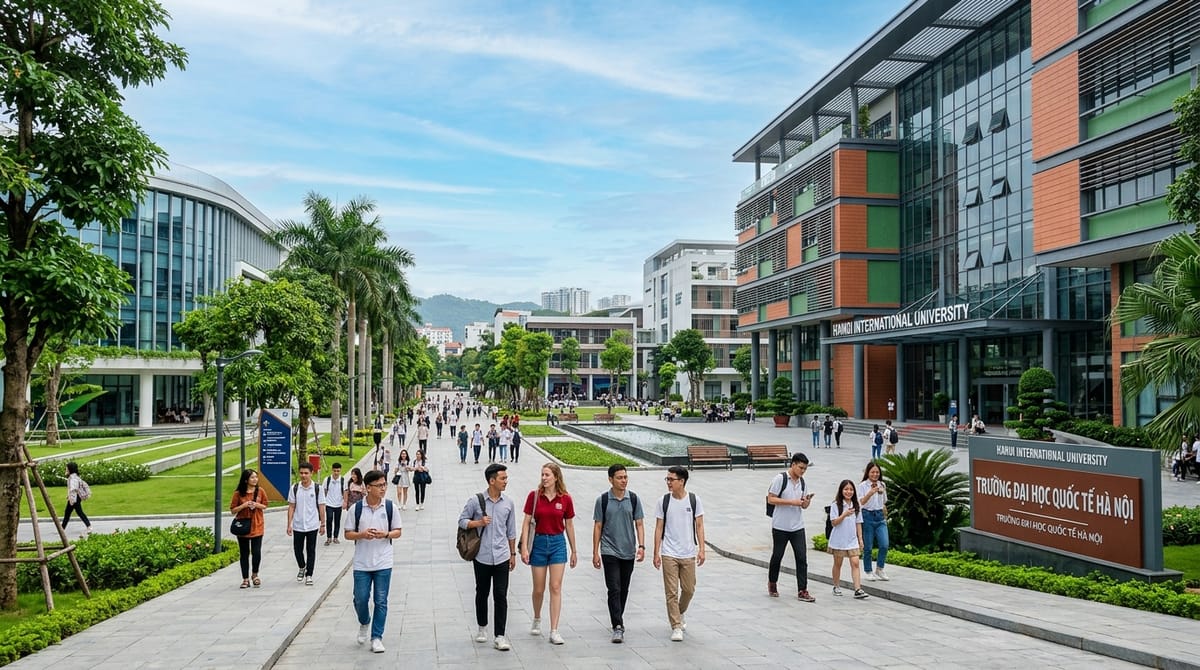
RMIT, BUV, Fulbright — international universities are everywhere in Vietnam. Why so many here, and almost none in places like Taiwan?
[Why Does Vietnam Have So Many International Universities?]
Live in Vietnam long enough and certain differences jump out — the sea of motorbikes, coffee strong enough to keep you up all night, and buildings that are impossibly narrow and tall. Here is another: international universities are everywhere.
Walk through Ho Chi Minh City or Hanoi and you will spot RMIT, BUV, Fulbright, and other campuses carrying Australian, American, and British names. Graduates earn accredited foreign degrees. Faculty come from around the world. This is commonplace in Vietnam — but almost unheard of in Taiwan.
Why?
▍ Massive Youth Demand
Vietnam has nearly 100 million people, with a much higher share of 15-to-24-year-olds than Taiwan. Every year, a large cohort of high school graduates needs higher education, but Vietnamese domestic universities generally rank low globally and cannot meet all demand.
Many families choose international universities. Graduates get European or American degrees, better access to multinational employers, and a smoother path to overseas graduate programs. Compared to sending a child abroad for four full years, studying at a local international campus is still cheaper.
▍ Government Support
The Vietnamese government actively promotes this model, partnering with RMIT (Royal Melbourne Institute of Technology), BUV (British University Vietnam), Fulbright University Vietnam, and other institutions to bring in foreign capital and educational resources. These schools follow their parent institutions' curricula, teaching language, and degree standards — giving Vietnamese students internationally recognized qualifications without leaving the country.
▍ A Different Story in Taiwan
Taiwan's situation is entirely different. Its university system is mature, and domestic degrees carry weight across Asia and beyond. With a smaller population, there is little incentive for foreign universities to set up branch campuses.
Taiwan's study-abroad culture also plays a role. Students seeking international credentials tend to go overseas directly rather than attend a foreign-branded school at home. Taiwanese universities also offer extensive exchange programs and dual-degree arrangements for international exposure.