15 Dead in Phu Quoc Boat Capsizing: Vietnam's Tourist Vessels Keep Sinking for the Same Reasons
Just 400 meters from shore, a speedboat rated for 34 people but carrying 36 flipped over, killing 15 Indian tourists. It wasn't a one-off — a year earlier, 39 people died in a freak storm on Ha Long Bay. Vietnam's tourist boats keep sinking over the same safety gaps.
[15 Dead in Phu Quoc Boat Capsizing: Vietnam's Tourist Vessels Keep Sinking for the Same Reasons]
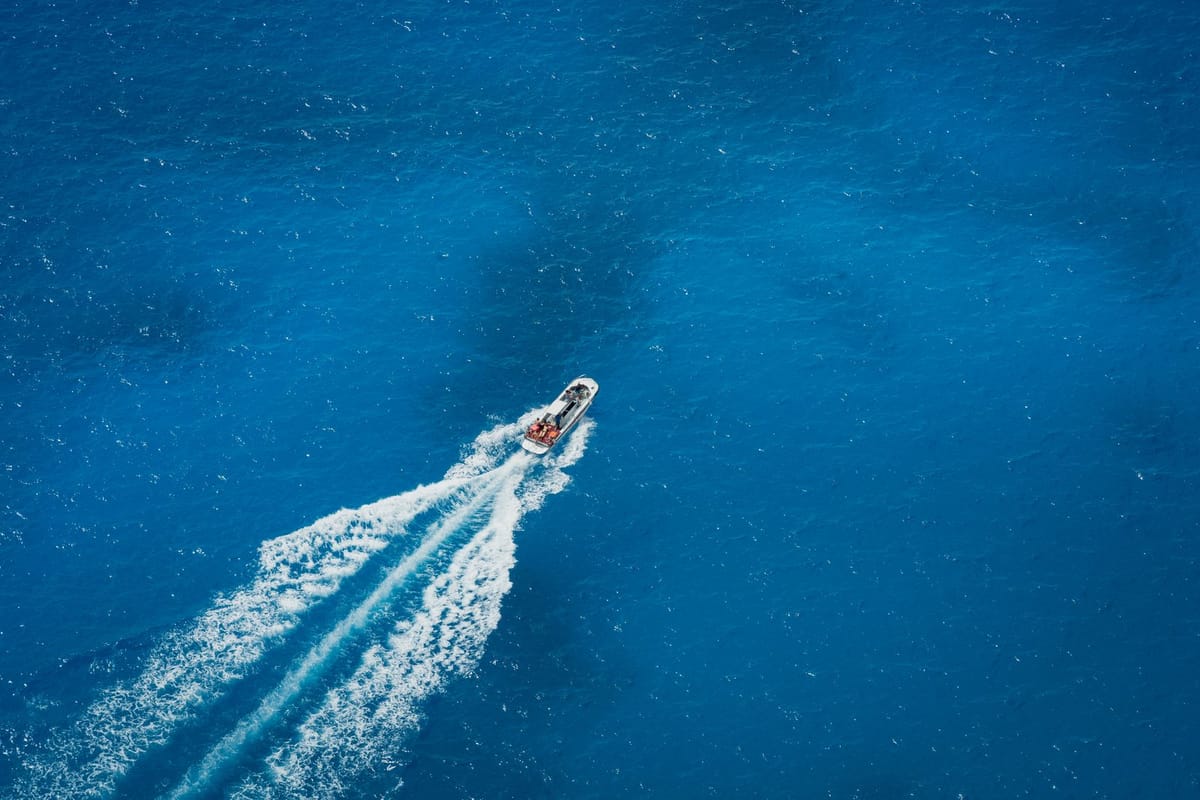
The boat flipped just 400 meters from shore.
On the afternoon of July 11, a tourist speedboat was heading back from an island-hopping stop in the An Thoi archipelago, south of Phu Quoc, when it capsized in strong winds and high waves. There were 36 people aboard: 32 Indian tourists and four Vietnamese crew and guides. When rescuers pulled everyone ashore, 15 of the Indian tourists had died and 21 survived. All four Vietnamese crew members made it out alive.
These weren't independent travelers. They were on a company trip organized by Lava International, an Indian phone maker, for its staff and retail partners. The tragedy drew public condolences from Indian Prime Minister Narendra Modi, and India's embassy stepped in to help the injured get home.
Accountability came quickly. The next day, the boat's captain was detained and investigated for violating waterway safety regulations. Authorities haven't said exactly which rule he broke, but one number surfaced fast: the boat was rated to carry 34 people, and it had 36 aboard. The overload was small — just two extra passengers — but in rough seas, the added weight can be enough to matter.
Taken alone, this reads as a weather accident. Look back a little further, though, and Phu Quoc stops looking like an outlier.
Just last July, Ha Long Bay in northern Vietnam saw its deadliest maritime disaster in more than two decades. The tourist boat Vinh Xanh 58 capsized during an afternoon cruise, killing 39 people; 10 survived. It had been a clear day until a rare, sudden super-thunderstorm rolled in with strong winds and hail, and the waves flipped the boat.
Go back a few more years. Off the coast near Hoi An in central Vietnam, almost the same thing happened. A speedboat carrying nearly 40 people back from Cham Island capsized in strong winds and high seas, killing 17 tourists. That case ran its full course in court: the captain was sentenced to seven years for violating waterway rules, found to have been speeding in dangerous conditions and to have misjudged the waves — despite more than 30 years at the helm.
Three accidents, spread across southern, northern and central Vietnam, keep pointing to the same kind of structural problem.
Weather is the obvious one. The winds off Phu Quoc and the storm over Ha Long were both fast-shifting sea conditions. A clear sky can turn in minutes, and for a boat fleet that sails on the day's weather, that's the hardest variable to guard against. Hard doesn't mean hopeless: what matters is whether a boat can hold up when the weather turns, and whether it gets stopped before setting out at all.
The hull is easier to hold accountable, and the Hoi An case laid this bare. The boat that capsized had been modified to carry more passengers and, supposedly, to handle bigger waves — yet its navigation and radar weren't working when it went down. The cabin design was a bigger problem. Many boats on that route had been converted to closed-top designs, and survivors said that once the boat started sinking, the enclosed cabin trapped the water and left little room to escape. Hoi An officials confirmed the route had seen accidents before, but passengers had always been rescued because they wore life jackets and the boats weren't enclosed. The modifications meant to carry more people and look more seaworthy ended up blocking the way out.
Phu Quoc's overloading is a version of the same problem. A boat rated for 34 people carrying 36 makes no visible difference on a calm day, but leaves less margin the moment the sea turns.
Then there's human judgment. The speeding and misjudged waves in Hoi An, and the captain's detention in Phu Quoc, both point to the person at the helm as the last line of defense — and the easiest to fail. The Hoi An case surfaced one more detail: a passenger who had taken the same route noted that life jackets were available but few people actually wore them. When an accident unfolds in seconds and the boat flips within a few hundred meters of shore, whether or not you're wearing a life jacket can be the line between living and dying.
The force of the accountability is worth noting. Both Hoi An and Phu Quoc ended with the captain detained or jailed — a clear signal that after a run of disasters, Vietnam is pinning responsibility on the person steering the boat. But putting a captain on trial settles one case. It doesn't close the gaps in hull inspection, capacity limits and weather warnings — and those gaps are why the same tragedy keeps repeating.
For anyone planning to island-hop by boat off Phu Quoc or Ha Long, these accidents leave a few concrete takeaways. Peak tourist season often overlaps with the months of the fiercest afternoon convection, when sea conditions shift fast. Before you go, it's worth checking the weather and whether boats are still running normally — and not treating "the boat is still sailing" as proof it's safe. Once aboard, find your life jacket and actually put it on rather than waiting until something goes wrong. Closed-cabin speedboats carry higher risk in rough seas, and that is exactly what Vietnamese regulators began reviewing after the Hoi An case.
The 15 lives lost off Phu Quoc, the 39 in Ha Long Bay and the 17 near Hoi An happened in different waters, in different years, blamed on different immediate causes. But line them up, and what keeps sinking boats isn't one stretch of sea or one captain — it's a safety system that hasn't caught up with how fast the tourist fleet has grown.
The Viet Media Monthly
A curated monthly digest of the most important political, economic, tech, and industry developments in Vietnam.
Designed for reading on desktop or tablet — no algorithm, no noise. Just the stories that matter.
Delivered before the 10th of each month. Cancel anytime.