Starlink Is Now Licensed in Vietnam — But Most People Won't Need It
Starlink finally got its Vietnamese license. But with monthly fees several times higher than local fiber, the people who actually need it may be fewer than you think.
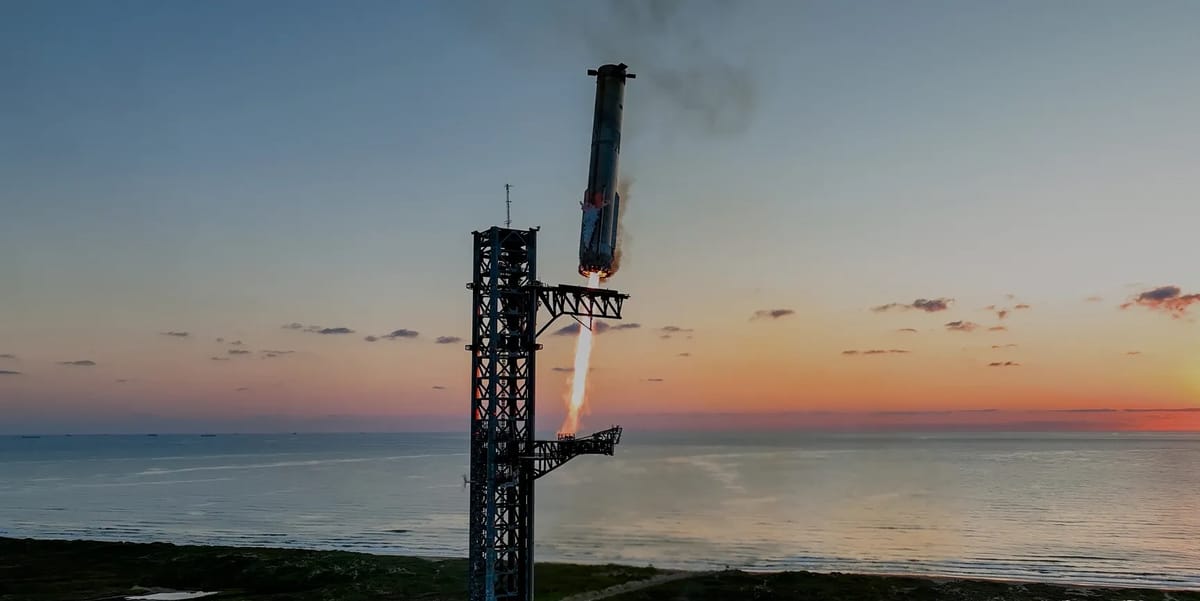
On February 14, Elon Musk's Starlink satellite internet service received its telecom operating license and radio frequency permit in Vietnam.
The country is now the fifth in Southeast Asia to allow Starlink, after the Philippines, Malaysia, Indonesia, and Timor-Leste.
The news immediately prompted a question from expats across Vietnam: Can foreigners sign up?
What the License Covers
Vietnam's Radio Frequency Management Agency issued the frequency permit on February 13, followed by the telecom operating license the next day.
The licensee is SpaceX's local subsidiary, Starlink Services Vietnam.
The license allows Starlink to build a fixed satellite communications network in Vietnam.
The initial rollout includes four ground gateway stations and a cap of 600,000 terminal devices.
The trial period runs five years, ending no later than January 1, 2031.
Getting to this point took about a year.
Last March, Vietnam's Prime Minister signed the pilot approval.
Deputy Prime Minister Hồ Đức Phớc then flew to the United States to hand-deliver the approval documents to SpaceX.
SpaceX incorporated a local entity, worked through the bureaucracy, and finally received the license this February.
Who in Vietnam Would Actually Use It
The Vietnamese government's primary reason for approving Starlink is to fill coverage gaps in remote, border, and island areas.
Running fiber to these places costs too much relative to the population they serve, so traditional telecom companies have little incentive to build out.
Satellite internet also doesn't depend on ground infrastructure — making it a potential emergency backup during typhoons and floods.
But price is a barrier.
Vietnam's fiber broadband isn't world-class, but its coverage is extensive.
Monthly plans from the three major providers — Viettel, VNPT, and FPT — range from about VND 165,000 to 300,000, or roughly USD 7 to 12.
Starlink's Southeast Asian pricing dropped from USD 99 to 69 per month earlier this year, and there's also a Lite plan at USD 49 per month capped at 100 Mbps.
Even the cheapest option costs four to seven times more than local fiber.
Equipment is extra — standard kits in Southeast Asia run USD 350 to 500, though Vietnam pricing hasn't been announced.
A vice president of Vietnam's Radio and Electronics Association pointed out that Starlink's real-world impact on the Vietnamese market may be limited.
The areas still lacking internet coverage in Vietnam are small to begin with — and many of them don't even have electricity.
Satellite internet doesn't help much if there's no power to run it.
The Fifth Market in Southeast Asia
Vietnam joins a growing list.
The Philippines was first, issuing a license in 2022 and now hosting Starlink's largest user base in the region.
Malaysia followed in 2023.
Indonesia came next in 2024, with Musk personally flying to Bali for the launch event.
Timor-Leste joined later that year.
Globally, SpaceX now operates in about 160 countries and territories.
Its user count surpassed 10 million in early 2026, with more than 9,000 satellites in orbit.
The timing of Vietnam's approval carries political weight too.
Analysts note it fits into Vietnam's broader push to signal openness to the United States — from chip manufacturing and tech investment to satellite communications, Hanoi has been steadily closing the distance with Washington.
Can Foreigners Use It?
The most-asked question first: not yet.
Starlink has the license but hasn't launched commercial service, and there's no announced registration process or launch date.
That said, some foreigners have already successfully placed a USD 9 pre-order deposit on Starlink's website using a Vietnamese address — confirming that Vietnam is in the service area.
The license doesn't restrict users by nationality.
The 600,000-terminal cap covers both direct Starlink customers and users who buy through Vietnamese telecom resellers.
All user data must be stored in Vietnam, and the Ministry of Defense and Ministry of Public Security will have oversight — standard conditions for foreign telecom services operating in the country.
Once Starlink does go live, residents of Vietnam may find it genuinely useful — but not for the reason you'd expect.
Vietnam's international internet is notoriously unreliable.
The country has only five undersea cables connecting it to the outside world, and they break frequently.
Not long ago, four of the five went down simultaneously — even Google was unreachable.
Vietnam plans to add ten more cables by 2030, but that's a long way off.
Starlink routes through satellites, not undersea cables.
In theory, it's immune to these outages.
For anyone who needs stable international connectivity, this could be the most practical backup option available.
It's also worth considering if you frequently travel to remote areas — the northern mountains, the Central Highlands, or offshore islands.
When typhoons or heavy rains knock out ground networks, satellite internet keeps working.
That's something traditional telecom can't offer.
Starlink also has mobile plans for vehicles and boats.
If you run a business in Vietnam that requires moving between regions, this could be more reliable than hunting for cell signal.
If you're interested, you can pre-order on Starlink's website using a Vietnamese address and wait for the launch notification.