U.S.-Iran War and the Strait of Hormuz Blockade: What It Means for Vietnam
With the Strait of Hormuz blocked, Vietnam's crude oil imports, aviation routes, and shipping costs are taking simultaneous hits.
On February 28, the United States and Israel launched joint airstrikes on Iran. Iran's Supreme Leader Ayatollah Khamenei was killed.
Iran struck back with Fattah-2 hypersonic missiles aimed at U.S. military bases. The Revolutionary Guard broadcast radio warnings to all vessels: do not enter the Strait of Hormuz. A de facto blockade took hold.
Roughly 20% of global oil consumption passes through that strait.
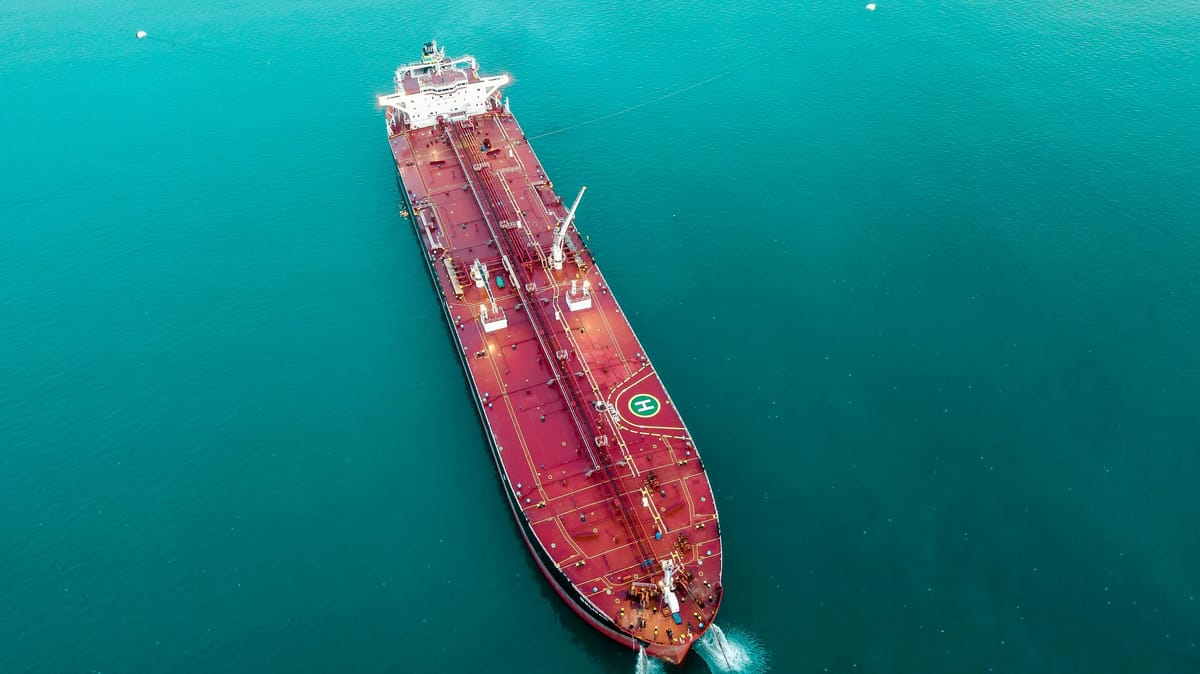
Tanker traffic dropped 70% immediately. Over 150 ships sat stranded outside the strait, waiting.
The conflict is far from Vietnam. The consequences are not.
When markets opened on March 2, Brent crude futures spiked as much as 13%, touching $82 per barrel before easing to around $78. Gold hit a record, with spot prices briefly clearing $5,360 per ounce.
A common assumption is that Vietnam doesn't depend on Middle Eastern oil. That's wrong.
Vietnam imports 88% of its crude from Kuwait. Kuwaiti tankers must pass through the Strait of Hormuz to leave the Persian Gulf. With the strait sealed, getting that oil to Vietnam becomes a real problem.
If the blockade holds, tankers would reroute around Africa's Cape of Good Hope — adding weeks to the journey and driving freight costs sharply higher.
War-risk insurance premiums have already jumped 25% to 50%. Some insurers have pulled coverage for Persian Gulf routes entirely.
Rising shipping costs feed into consumer prices — vegetables, meat, cement — though the pass-through takes time. Prices won't spike overnight.
On the aviation side, Iran, Iraq, Kuwait, Qatar, the UAE, and Israel have all closed or restricted airspace. Qatar Airways canceled 10 flights. Emirates canceled 6. Over 4,400 passengers were stranded in Hanoi, Ho Chi Minh City, and Đà Nẵng.
Vietnam's Civil Aviation Authority issued seven consecutive bulletins starting February 28, ordering airlines to monitor the situation and reroute proactively.
If you have travel or business plans in the Middle East, best to postpone.
One thing that's gotten less attention: Vietnam has over 10,000 workers in the Middle East, concentrated in Saudi Arabia and the UAE. The Overseas Labor Management Department has suspended all labor exports to the region. No evacuations have been ordered yet, but agencies have been told to stay in constant touch with Vietnamese embassies.
A Vietnamese businessman at a Dubai trade expo described watching missiles being intercepted overhead — "popping like popcorn."
The real question is duration.
If the strait reopens within days, the damage is manageable.
If the blockade stretches into weeks, Vietnam's crude oil supply chain faces a genuine crunch, and pressure on fuel and consumer prices will keep mounting.