Vietnam Brings Cross-Border E-Commerce Under Customs Control From March 2027
Vietnam has amended its Customs Law to bring cross-border e-commerce under formal oversight from March 2027, with buyers and sellers required to pass electronic ID checks and platforms required to link data to customs. Key details still depend on future decrees.
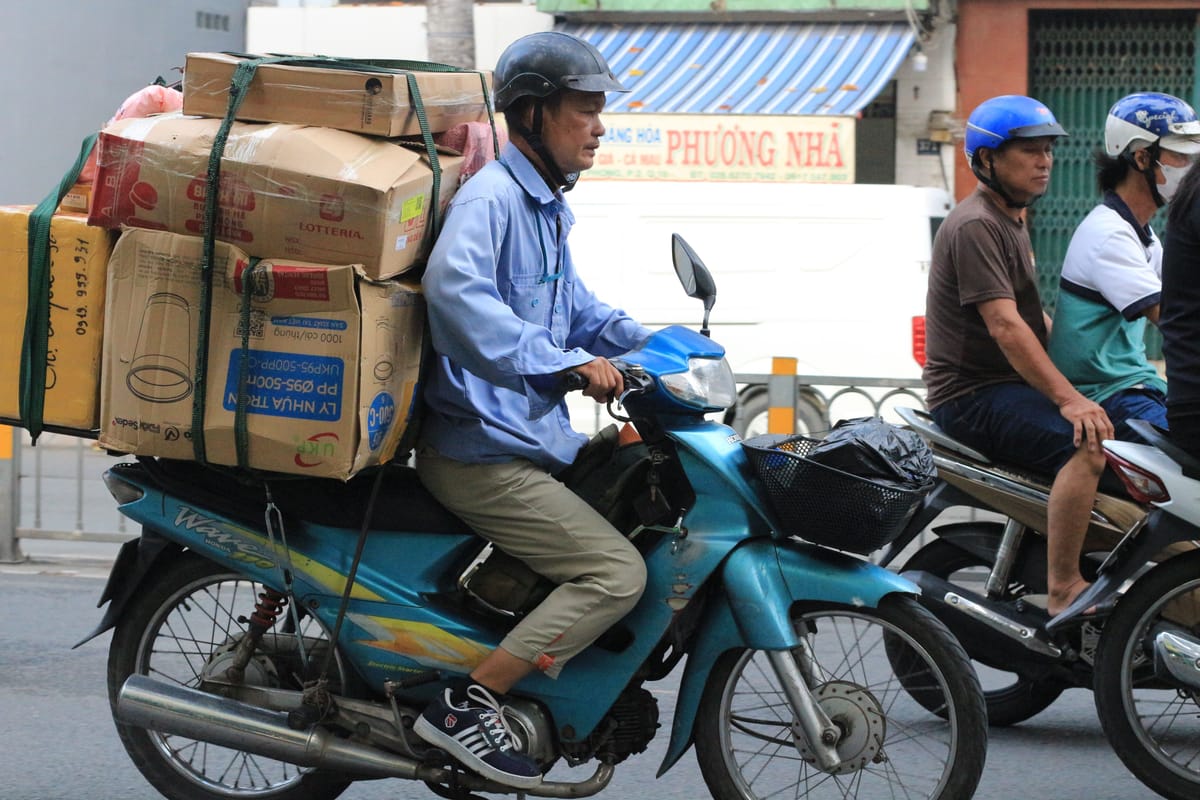
[Vietnam Brings Cross-Border E-Commerce Under Customs Control, eID Required From March 2027]
Vietnam's National Assembly passed amendments to the Customs Law on August 23, with 471 of 474 voting delegates in favor. The changes take effect on March 1, 2027, and close a gap the current law never addressed. Goods bought or sold across borders through e-commerce platforms will have to go through customs procedures and inspection; small orders below a government-set value threshold will be exempt. Organizations and individuals in Vietnam trading with overseas counterparts through e-commerce platforms will need to complete electronic identification first, for instance through VNeID, the country's national digital ID system.
The obligations reach well beyond buyers and sellers. Platform operators must connect their systems to the customs authority's e-commerce data processing system when carrying out identification. Platforms, bonded warehouse owners, and transport companies and their agents must all provide customs with information about goods moving through them. For any given parcel, customs will see more than a declaration form: it will also see the platform's transaction records. The amendments also expand who can file customs declarations, adding postal operators, international express couriers, platform operators, and transit service providers to the list. There is a carrot alongside the stick: declarants with good compliance records can get priority clearance and lighter inspection and post-clearance audits.
This is the third regulatory step in three years. On January 14, 2025, a National Assembly resolution ended a tax break that had been in place for over a decade: imports worth VND 1 million (about USD 38) or less sent by express delivery had been exempt from import duty and value-added tax. Once the VAT exemption was scrapped, tax authorities finally had a legal basis to collect from foreign e-commerce platforms selling into Vietnam. Then on July 1, 2026, the E-Commerce Law took effect, requiring intermediary platforms to electronically verify a seller's identity before letting them sell, with foreign sellers verified through legal documents. The Customs Law amendments now make identification for both sides of a transaction, plus platform data links, a statutory duty. Stack the three together and every link in a cross-border sale, seller, buyer, and shipment, traces back to an identifiable person.
The rules are tightening around a market that keeps growing fast. According to data firm Metric, gross merchandise value across Vietnam's four major platforms, Shopee, TikTok Shop, Lazada, and Tiki, reached VND 429.7 trillion in 2025, roughly USD 16.5 billion, up nearly 35% from a year earlier. The number of sellers with at least one order actually fell 7.4% to about 601,800, which Metric reads as growth concentrating among sellers who know how to operate. The amendments also direct customs to use digital technology, big data, and artificial intelligence for risk management, matching inspection intensity to risk rather than stopping every parcel.
The most important questions remain open. Finance Minister Ngô Văn Tuấn told the assembly before the vote that the law sets only basic principles, leaving the details to government decrees: the value threshold above which goods must clear customs, the process and timeline for electronic identification, and how foreign platforms with no presence in Vietnam will be made to connect their data. As for what happens to those who skip identification, the published provisions contain no penalties; the practical consequences will also depend on the decrees. During debate, some delegates warned that e-commerce shipments are high-volume, low-value, and speed-sensitive, and that applying traditional cargo inspection would clog the border gates.
How those decrees are written will matter more than the law itself in shaping what cross-border online shopping looks like after March 2027, in extra steps and extra costs. For sellers outside Vietnam shipping into the country, how they are supposed to complete identification also hangs on this next round of rules. With over six months to go before the law takes effect, this is one to watch.
This article is a news summary and does not constitute legal or tax advice.
—
📢 A quick word from our sponsor
Heading to Vietnam and dreading the SIM card counter at the airport? I use Saily eSIM instead — buy it online before you fly, scan the QR code in the app, and your data connects automatically the moment you land.
Saily also lets you switch your virtual location in the app — traffic routes through a NordVPN server, so it works much like a VPN, though it doesn't encrypt data on the device — and it blocks malicious sites, ads, and trackers. Vietnam plans start at US$3.99 for 1GB/7 days, with 3GB/30 days at US$7.99 and 10GB/30 days at US$17.99. Unlimited plans are available too.
👉 Get your Saily eSIM → and use code Special10 for an extra 10% off