Vietnam's First Pho Museum Opens: A Century of History in One Bowl
Japan has its ramen museum. Vietnam finally has one for pho.
Japan has its ramen museum. After thirty years of waiting, Vietnam finally has one for pho.
On January 15, 2026, the country's first Pho Museum opened in Ho Chi Minh City. The private museum sits on Nguyen Thai Hoc Street in District 1, a five-minute walk from Ben Thanh metro station. The location is no accident -- Ben Thanh Market and Pham Ngu Lao backpacker street are both nearby.
One Ticket, a Hundred-Year Journey
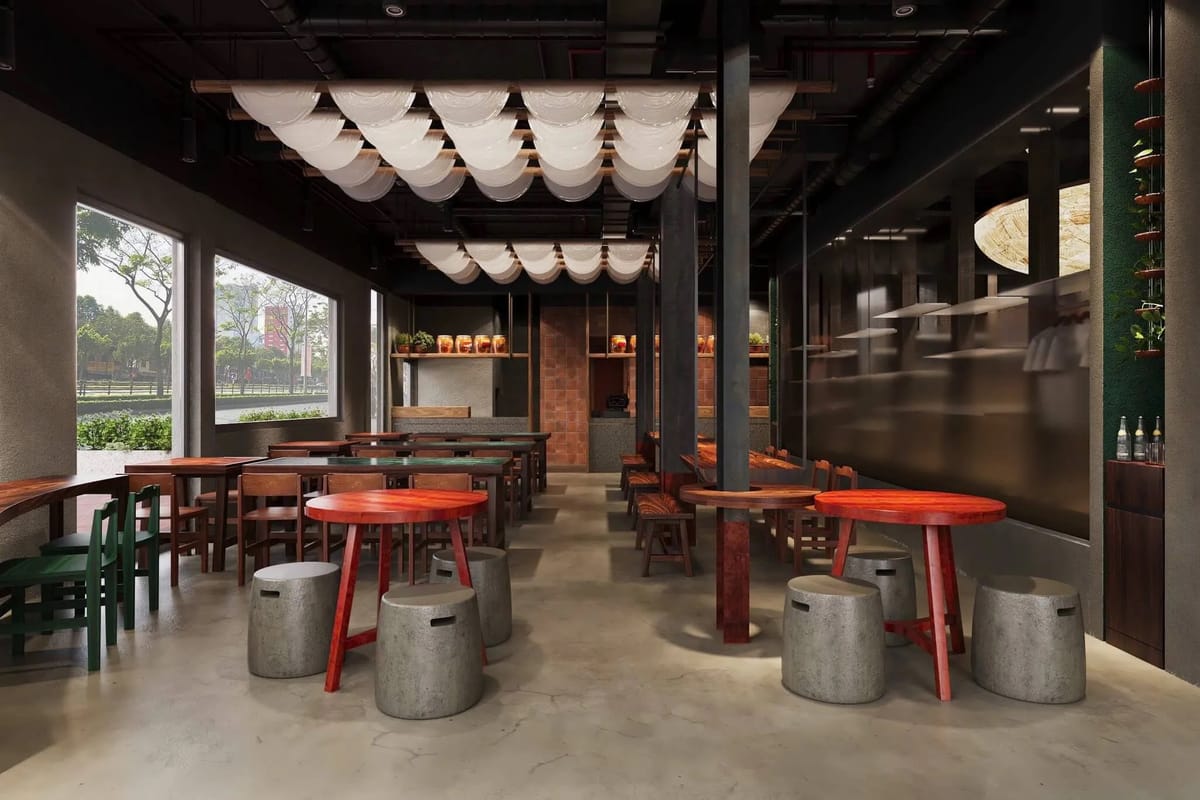
The museum covers about 800 square meters across three floors, designed as an immersive experience.
Staff take you up to the third floor first. In a small screening room, you watch an eight-to-ten-minute documentary that starts with shoulder-pole vendors on Hanoi's streets and traces how pho crossed oceans to become the world's first impression of Vietnamese food.
Then you walk down to the second floor -- the core exhibition. The space holds over 200 certified artifacts: century-old stone mortars, early cooking pots, spice jars, and works by young artists -- someone built a bowl of pho from Lego, another knitted one from yarn. Wall displays explain how pho tastes different across the north, center, and south.
The ground floor is an open kitchen. Chefs simmer broth, blanch noodles, and plate bowls in full view. You finish with a bowl of the museum's signature pho -- a blend of flavors from all three regions, light and clean, leaning toward the southern style.
The whole experience takes sixty to seventy-five minutes. Adult tickets cost 750,000 VND (about USD 30), children 500,000 VND, including a guided tour and one bowl of pho. If you just want to eat, walk-in bowls start at 125,000 VND.
Pho Is Younger Than You Think
Many assume pho is an ancient tradition. It is not. The dish is barely over a hundred years old.
Most scholars trace its origins to the early twentieth century in Nam Dinh Province, before it spread to Hanoi. Vietnam was still French Indochina then. The French built the largest textile factory in all of Indochina in Nam Dinh, employing tens of thousands of workers at its peak. The French ate beef. Leftover bones and scraps flowed into local markets, where street vendors boiled them into broth. Someone paired that beef broth with rice noodles brought by Chinese immigrants and local herbs. The prototype of pho was born.
Later, many Nam Dinh workers migrated north to Hanoi for French infrastructure projects, bringing pho along. The first proper pho shop appeared in Hanoi in the 1920s. In 1939, government restrictions on beef sales on certain days gave rise to chicken pho (pho ga). After Vietnam's partition in 1954, northerners moved south en masse, carrying pho to Saigon and developing the southern style with bean sprouts, Thai basil, and chili.
In 2024, Hanoi-style pho was officially listed as a Vietnamese national intangible cultural heritage. The government is now preparing a UNESCO nomination. If successful, pho would join kimchi and washoku on the world stage.
The Director's Inspiration: A Trip to Yokohama
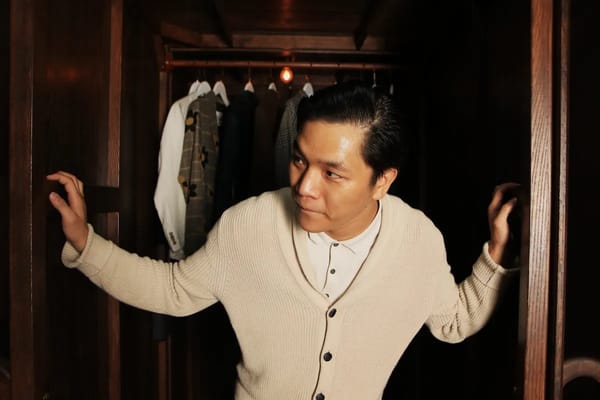
Museum director Le Nhat Thanh said the idea came to him at the ramen museum in Yokohama, Japan.
That museum, opened in 1994, recreated a 1958 Tokyo streetscape in its basement, housing famous ramen shops from across Japan. Visitors pay a small entry fee (450 yen, about USD 3) and choose which shop to eat at. After three decades, it remains one of Yokohama's top attractions.
"Pho is just as globally recognized as ramen -- it has been ranked among the world's best noodle soups multiple times -- but we never had a space to present its culture and history," Le said.
The two museums run on very different models, though. Yokohama's ramen museum is a food court: cheap entry, revenue from dining and merchandise. The Pho Museum in HCMC is an all-inclusive package at a much higher price point.
Which model works better? That will take time to tell.
Practical Information
Address: 211 Nguyen Thai Hoc, Phuong Ben Thanh, Quan 1, HCMC (about 5 minutes on foot from Ben Thanh metro station)
Hours: Daily 08:00-21:00, open during Tet holidays
Tickets:
Full experience (guided tour + pho): Adults 750,000 VND, Children 500,000 VND
A la carte pho: 125,000 to 260,000 VND
Website: phomuseum.com
If you found this article useful, feel free to share it with anyone interested in Vietnam.
Want regular updates on Vietnam? Visit our website to subscribe to our free newsletter.
We also have a LINE group for readers -- join link is in our Facebook page bio. Come chat about all things Vietnam.