Starlink Is Now Licensed in Vietnam, but Most People Probably Won't Use It
Starlink finally got its Vietnam license, but monthly fees are several times higher than local fiber. The number of people who will actually use it may be smaller than expected.
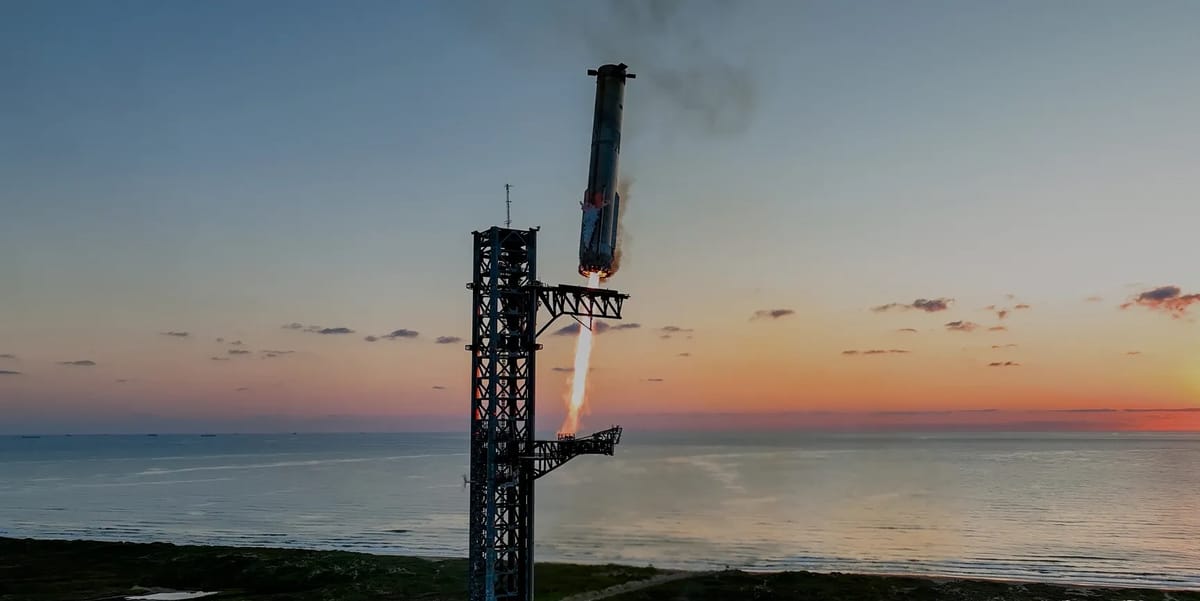
On February 14, Elon Musk's Starlink satellite internet service officially received its telecom operating license and radio frequency permit in Vietnam.
Vietnam became the fifth Southeast Asian country to open up to Starlink, after the Philippines, Malaysia, Indonesia, and Timor-Leste.
The news immediately prompted a common question among expats in Vietnam: Can foreigners sign up?
What the License Covers
Vietnam's Radio Frequency Management Authority issued the frequency permit on February 13. The telecom regulator followed with the operating license the next day.
The licensee is SpaceX's local subsidiary, Starlink Services Vietnam.
The license allows Starlink to build a fixed satellite communications network in Vietnam, with an initial deployment of 4 ground gateway stations and a cap of 600,000 terminal devices.
The trial period runs for 5 years, ending no later than January 1, 2031.
The approval process took about a year.
Last March, Vietnam's prime minister signed the pilot decision. Deputy Prime Minister Ho Duc Phoc then traveled to the United States and personally handed the approval documents to SpaceX.
SpaceX set up its Vietnamese legal entity, went through the administrative procedures, and only received the final license in February this year.
Who Will Use Starlink in Vietnam
The Vietnamese government's main reason for opening up to Starlink is to improve internet coverage in remote, border, and island areas.
Running fiber to these places is too expensive, and the population is too small for traditional telcos to justify the investment.
Satellite internet also operates independently of ground infrastructure, making it a backup communications channel during typhoons, floods, and other natural disasters.
But price is a barrier.
Vietnam's fiber broadband is not world-class, but it is widely available. Monthly plans from the big three — Viettel, VNPT, and FPT — run about VND 165,000 to 300,000, or roughly USD 7 to 12.
Starlink's Southeast Asia pricing dropped from USD 99 to USD 69 per month earlier this year. There is also a Lite plan at USD 49 per month, capped at 100 Mbps.
Even the cheapest option costs four to seven times more than local fiber.
Equipment is extra. The standard kit runs USD 350 to 500 in other Southeast Asian markets. Vietnam pricing has not been announced.
A vice chairman of the Vietnam Radio and Electronics Association noted that Starlink's real impact on the Vietnamese market may be limited. The areas still lacking internet coverage are few — and many of them do not even have electricity.
No power, no internet — no matter how fast the satellite.
The Fifth Market in Southeast Asia
Vietnam is the fifth Southeast Asian country to license Starlink.
The Philippines was first, issuing its license in 2022, and currently has the most users in the region.
Malaysia followed in 2023. Indonesia opened up in 2024, with Musk personally flying to Bali for the launch ceremony. Timor-Leste joined later that year.
SpaceX now operates in about 160 countries and territories. Its user base passed 10 million in early 2026, with over 9,000 satellites in orbit.
The timing of Vietnam's approval also carries political weight.
Analysts have noted it fits a broader pattern of Vietnam signaling openness to the United States — from chip manufacturing to tech investment to satellite communications, all part of a closer alignment with Washington.
Can Foreigners Use It?
To answer the most common question: not yet.
Starlink has the license but has not launched service. It has not announced a registration process or exact launch date.
However, some expats have already successfully placed the USD 9 pre-order deposit on the Starlink website using a Vietnamese address, confirming that Vietnam is within the service area.
The license does not restrict users by nationality. The 600,000-terminal cap includes both direct Starlink customers and users who subscribe through Vietnamese telecom resellers.
All user data must be stored within Vietnam. The Ministry of Defense and the Ministry of Public Security will have regulatory oversight — a standard condition for foreign telecom operators in Vietnam.
Once the service goes live, residents of Vietnam may find it most useful for one particular problem.
International internet here breaks down regularly.
Vietnam has only five undersea cables connecting it to the global internet, and they fail frequently. Recently, four of the five went down at the same time — even Google would not load.
The government plans to add ten new undersea cables by 2030, but that does not solve the problem today.
Starlink uses satellites, not undersea cables. In theory, it is unaffected by cable outages.
For people who need stable international connectivity, it may be the most practical backup option available right now.
If you frequently travel to remote areas — the northern mountains, the Central Highlands, or offshore islands — Starlink is also worth considering.
When typhoons or heavy rain knock out ground networks, satellite internet keeps working. Traditional telcos cannot match that.
Starlink also offers mobile plans, including vehicle-mounted and marine versions.
If you run a business in Vietnam that requires moving across regions, this could be more reliable than hunting for signal.
Those interested can pre-order on the Starlink website with a Vietnamese address and wait for the launch notification.