US-Iran Conflict Shuts Down the Strait of Hormuz. What Does It Mean for Vietnam?
After the Strait of Hormuz blockade, Vietnam's crude oil imports, aviation routes, and shipping costs were simultaneously impacted.
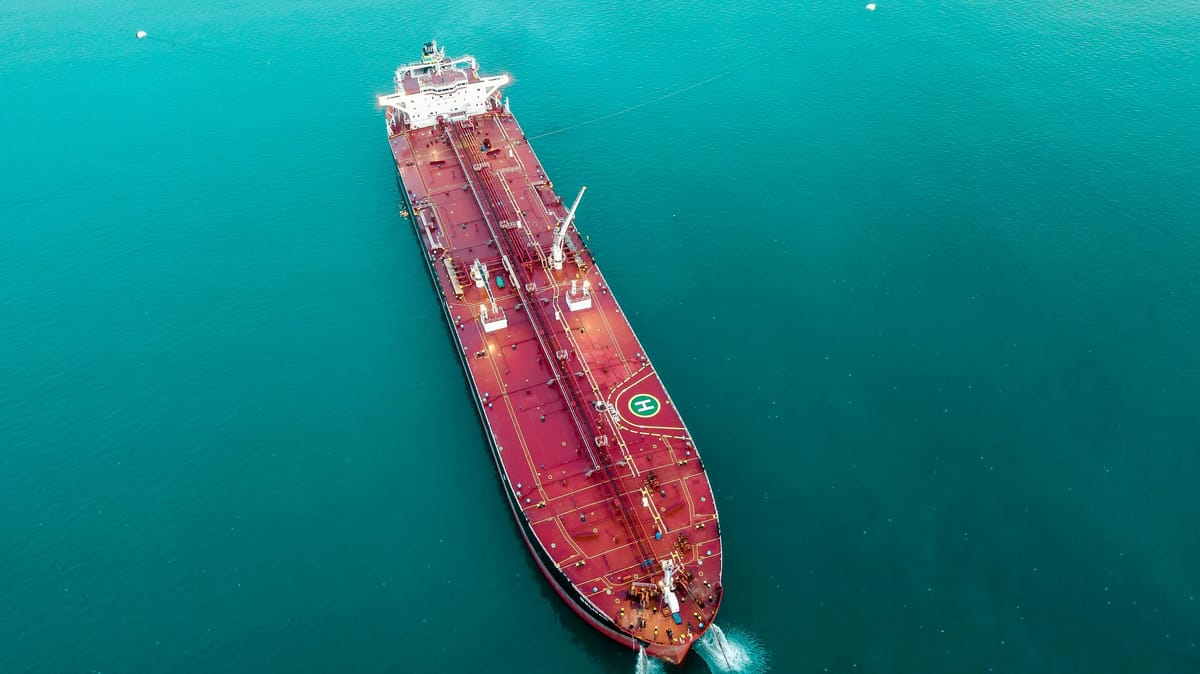
On February 28, the US and Israel launched joint airstrikes on Iran. Iran's Supreme Leader Ayatollah Khamenei was killed in the attack.
Iran retaliated with Fattah-2 hypersonic missiles targeting US military bases. The Revolutionary Guards issued radio warnings to all vessels: do not pass through the Strait of Hormuz. A de facto blockade was in effect.
About 20% of global oil consumption moves through this strait.
As soon as the blockade was announced, tanker traffic dropped 70%. Over 150 ships were stranded outside the strait, waiting.
This conflict may seem far from Vietnam, but the effects are already arriving.
When markets opened on March 2, Brent crude futures jumped 13% at one point, touching USD 82 per barrel before pulling back to around USD 78.
Gold hit a record high at the same time, with spot prices briefly exceeding USD 5,360 per ounce.
Many people assume Vietnam doesn't rely much on Middle Eastern oil. That's wrong.
88% of Vietnam's imported crude comes from Kuwait. And Kuwait's tankers must pass through the Strait of Hormuz to leave the Persian Gulf.
With the strait blocked, getting that oil to Vietnam becomes a real problem.
If the blockade continues, tankers would have to reroute around Africa's Cape of Good Hope, adding weeks to the journey and sending shipping costs soaring.
War risk premiums for maritime insurance have already risen 25% to 50%. Some insurers have simply cancelled coverage for Persian Gulf routes entirely.
When shipping costs rise, everything from vegetables and meat to cement could get more expensive — though this takes time and won't show up overnight.
On the aviation side, Iran, Iraq, Kuwait, Qatar, the UAE, and Israel have all closed or restricted their airspace.
Qatar Airways cancelled 10 flights. Emirates cancelled 6. Over 4,400 passengers were stranded in Hanoi, Ho Chi Minh City, and Da Nang.
Vietnam's Civil Aviation Authority issued seven consecutive bulletins starting February 28, ordering airlines to closely monitor the situation and proactively adjust flight routes.
If you have travel or business plans in the Middle East, it's best to hold off.
One thing fewer people have noticed: Vietnam has over 10,000 workers in the Middle East, mainly in Saudi Arabia and the UAE.
The Department of Overseas Labour has ordered a halt to all labor dispatch to the Middle East. No evacuation has been initiated yet, but recruitment agencies have been told to stay in constant contact with Vietnamese embassies abroad.
Vietnamese businesspeople at a trade show in Dubai described seeing missiles intercepted in the sky — "exploding like popcorn."
The real question is how long the Strait of Hormuz stays blocked.
If shipping resumes within days, the impact will be limited.
But if the blockade lasts weeks, Vietnam's crude oil supply chain will be in trouble, and pressure on oil prices and consumer prices will keep building.